
The Role of Churches in Melbourne’s Urban Landscape
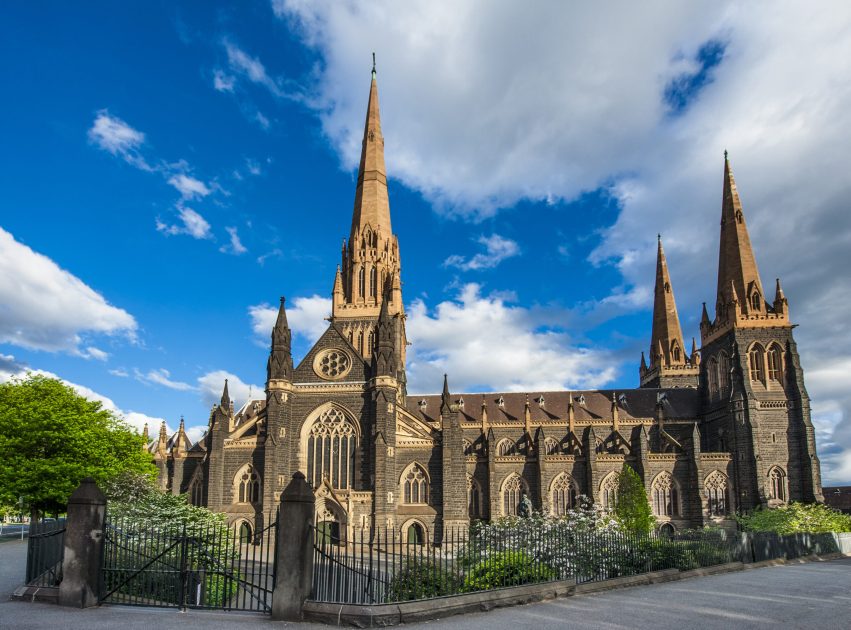
Melbourne, a city renowned for its vibrant culture, diverse population, and rich history, features an urban landscape where modern skyscrapers blend seamlessly with historic structures. Among these historic structures, churches stand out as significant landmarks. These churches are not just places of worship but are pivotal in shaping Melbourne’s urban fabric. They contribute to the city’s architectural diversity, historical continuity, and social cohesion. This article explores the multifaceted role of Church in Melbourne urban landscape, examining their architectural significance, historical impact, and contemporary relevance.
Architectural Significance
Iconic Designs and Styles
Melbourne’s churches are architectural masterpieces that reflect various styles and periods, contributing to the city’s unique skyline. From Gothic Revival to Romanesque and Modernist designs, these structures are a testament to the city’s architectural evolution.
St. Patrick’s Cathedral: This Gothic Revival marvel, designed by William Wardell, is one of Melbourne’s most iconic buildings. Its construction began in 1858, and the cathedral was completed in stages, with the spires added in the 1930s. The use of bluestone, pointed arches, ribbed vaults, and flying buttresses exemplifies the Gothic style, making St. Patrick’s a landmark of Melbourne’s architectural heritage.
St. Paul’s Cathedral: Opposite Federation Square, St. Paul’s Cathedral is a prime example of Gothic Revival architecture with Early English influences. Designed by William Butterfield, its distinctive polychrome brickwork and towering spires add a unique aesthetic to Melbourne’s urban landscape. The interior is adorned with beautiful stained glass windows, a marble high altar, and an intricate wooden ceiling, making it a visual and spiritual delight.
Wesley Church: Located on Lonsdale Street, Wesley Church, designed by Joseph Reed and completed in 1858, is another Gothic Revival gem. Its bluestone construction, pointed arches, and timber ceiling reflect the craftsmanship and architectural trends of the 19th century, contributing to Melbourne’s rich architectural tapestry.
Preservation and Integration
The preservation of these historic churches amidst urban development showcases Melbourne’s commitment to maintaining its architectural heritage. These buildings are often integrated into modern urban plans, creating a blend of old and new that defines Melbourne’s character.
Scots’ Church: On Collins Street, Scots’ Church, completed in 1874, stands as a fine example of Gothic Revival architecture. Its preservation amidst Melbourne’s bustling commercial district highlights the city’s dedication to retaining its historical identity. The church’s spire and detailed stonework create a striking contrast with the surrounding modern buildings, symbolizing the harmonious coexistence of different architectural eras.
Holy Trinity Anglican Church: In East Melbourne, Holy Trinity, built in 1869, showcases a blend of Gothic and Romanesque styles. Its robust bluestone walls and arched windows provide a historical anchor in a neighborhood that has evolved significantly over the years. The church’s preservation and ongoing use demonstrate how historic buildings can remain relevant and functional in a modern urban context.
Historical Impact
Cultural and Social Hubs
Historically, churches in Melbourne have served as cultural and social hubs, playing crucial roles in the city’s development. They were often among the first significant structures built in new settlements, providing spaces for worship, education, and community gatherings.
St. Francis’ Church: Established in 1841, St. Francis’ Church on Lonsdale Street is the oldest Catholic church in Victoria. It has been a center of religious and community life for over a century, reflecting Melbourne’s early Catholic heritage. The church’s active schedule and diverse congregation demonstrate its enduring role in the community.
St. Mary Star of the Sea: Completed in 1900, St. Mary Star of the Sea in North Melbourne has been a focal point for the local Catholic community. Its construction reflects the growth of Melbourne’s population and the increasing importance of religious institutions in the city’s social fabric. The church’s ongoing services and community programs highlight its lasting impact on the local community.
Contributions to Education and Social Services
Many of Melbourne’s churches have historically provided education and social services, contributing to the city’s development and the well-being of its residents. Schools, hospitals, and charitable organizations often operated under the auspices of religious institutions.
Wesley Church: Beyond its architectural significance, Wesley Church has a long history of social service. The church has been involved in providing education, healthcare, and support for the needy. Its ongoing programs, including counseling services, food banks, and support groups, reflect the Methodist commitment to social justice and community welfare.
Holy Trinity Anglican Church: Holy Trinity is known for its extensive outreach programs that address issues such as homelessness, food insecurity, and mental health. The church’s commitment to social justice is evident in its numerous initiatives that provide support and resources to those in need. These efforts highlight the church’s role as a community leader and advocate for social change.
Contemporary Relevance
Community Engagement and Cultural Activities
In contemporary Melbourne, churches continue to be active centers of community engagement and cultural activities. They host a wide range of events, from concerts and art exhibitions to educational workshops and social gatherings, making them integral to the city’s cultural life.
St. Paul’s Cathedral: St. Paul’s is not only a place of worship but also a cultural hub. It hosts concerts, art exhibitions, and community events, attracting visitors from all walks of life. The cathedral’s music program, featuring its grand organ and choir, is renowned for its high-quality performances, contributing to Melbourne’s vibrant arts scene.
Scots’ Church: Scots’ Church regularly hosts concerts and cultural events, leveraging its historic organ and beautiful acoustics. These events draw audiences from across Melbourne, fostering a sense of community and cultural appreciation. By providing a venue for artistic expression, Scots’ Church enhances the city’s cultural landscape.
Addressing Modern Urban Challenges
Churches in Melbourne are also addressing modern urban challenges, such as homelessness, social isolation, and mental health issues. They provide essential services and support to vulnerable populations, reflecting their ongoing commitment to social justice and community welfare.
St. Francis’ Church: St. Francis’ continues to serve as a hub for social services, offering programs that support the homeless, provide food assistance, and offer counseling and support groups. These initiatives demonstrate the church’s adaptability and responsiveness to contemporary social issues.
Wesley Church: Wesley Church remains at the forefront of social service in Melbourne, operating programs that address a wide range of needs. From providing meals and shelter to offering mental health support and educational workshops, Wesley Church exemplifies how religious institutions can play a vital role in modern urban life.
Integration with Urban Development
Balancing Heritage and Progress
Melbourne’s urban planners and architects face the challenge of balancing heritage preservation with modern development. Churches, with their historical and architectural significance, play a crucial role in this balancing act.
St. Patrick’s Cathedral: The area surrounding St. Patrick’s Cathedral has seen significant development over the years. However, the cathedral remains a focal point, with urban planners ensuring that new constructions complement and respect its historical significance. This approach preserves the cathedral’s prominence while allowing for modern growth.
Wesley Church: Located in a busy commercial district, Wesley Church stands as a reminder of Melbourne’s history amidst contemporary development. Efforts to preserve and integrate the church into the urban landscape highlight the city’s commitment to maintaining its architectural heritage while accommodating progress.
Promoting Sustainable Urban Living
Many of Church in Melbourne are involved in promoting sustainable urban living. They advocate for environmentally friendly practices and engage in initiatives that support sustainable development.
Holy Trinity Anglican Church: Holy Trinity is active in promoting environmental stewardship, hosting events and workshops focused on sustainability. The church’s commitment to environmental issues reflects a broader trend among religious institutions to address global challenges through local action.
St. Paul’s Cathedral: St. Paul’s has also embraced sustainability, incorporating energy-efficient systems and advocating for environmental awareness. These efforts demonstrate how historic buildings can adapt to contemporary needs and contribute to a sustainable future.
Conclusion
The role of churches in Melbourne’s urban landscape is multifaceted and dynamic. They are architectural landmarks, historical monuments, centers of community and cultural engagement, and advocates for social justice and sustainable living. By preserving these iconic structures and integrating them into the modern urban fabric, Melbourne ensures that its rich heritage remains a vibrant and influential part of its identity.
From the Gothic grandeur of St. Patrick’s Cathedral to the colonial simplicity of St. Francis’ Church, Melbourne’s churches offer a unique glimpse into the city’s past while continuing to shape its present and future. They stand as enduring symbols of faith, resilience, and community, reflecting the values and aspirations of Melbourne’s diverse population. Whether through their architectural beauty, historical significance, or social contributions, these churches play an integral role in defining the character and spirit of Melbourne’s urban landscape.


