
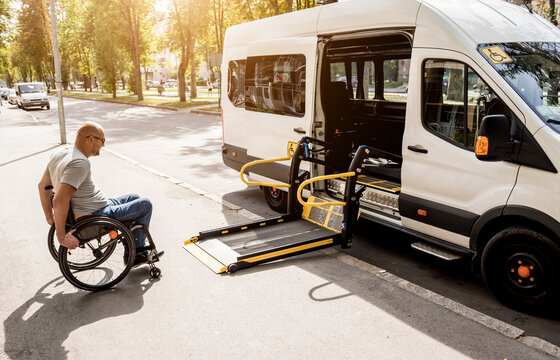
For individuals with mobility challenges, accessible transportation is crucial in achieving independence and full participation in society. While many people take for granted the ability to hop into a car or board a bus whenever they need to go somewhere, for those who rely on wheelchairs or other mobility devices, the lack of accessible transportation options can be a major barrier to freedom. Without reliable and inclusive travel options, individuals with disabilities may be unable to access employment, healthcare, education, or even social opportunities.
Wheelchair Accessible Transportation is about much more than just convenience—it plays an integral role in enhancing quality of life, promoting equality, and enabling individuals to lead independent, fulfilling lives. In this blog, we will explore why wheelchair accessible transportation is so important, how it benefits individuals and society, and what improvements are needed to ensure everyone can enjoy the same mobility rights.
The Challenges of Inaccessible Transportation
Before we dive into the benefits, it’s important to understand the challenges that individuals with mobility impairments face when transportation options are not designed with their needs in mind. For many years, people with disabilities have struggled to find reliable transportation options that allow them to travel safely, independently, and on their own terms.
Here are some of the key issues wheelchair users and individuals with mobility challenges encounter:
-
Limited Access to Public Transportation: Not all buses, trains, or subways are designed to accommodate wheelchairs. Public transport systems may lack ramps, elevators, or accessible seating areas, which prevents individuals from boarding or disembarking. As a result, people with disabilities are often forced to make alternate, more time-consuming arrangements.
-
Lack of Accessible Taxis and Ride-Sharing Options: Taxis and ride-sharing services, such as Uber and Lyft, often do not have wheelchair accessible vehicles (WAVs) readily available. Even when accessible vehicles are available, they may not be easy to book, leading to uncertainty and frustration for passengers with mobility impairments.
-
Inaccessible Private Vehicles: For individuals who wish to drive themselves, the lack of wheelchair accessible vehicles (WAVs) can be a significant barrier. While there are options for adapted vehicles, they can be costly and may not be readily available in certain areas.
-
Limited Flexibility: Public transportation schedules are not always conducive to the needs of individuals with disabilities. Fixed routes and timetables can make it difficult for wheelchair users to travel at their convenience, which can limit their freedom and opportunities for engagement.
The combination of these barriers can lead to isolation, dependence on others, and limited access to important services and activities. Inaccessible transportation restricts the ability of individuals with mobility impairments to fully participate in society, affecting their personal, professional, and social lives.
The Importance of Wheelchair Accessible Transportation
When transportation is accessible, it makes a world of difference for individuals with disabilities. Wheelchair accessible transportation solutions help individuals break free from the constraints of inaccessible options, allowing them to navigate their communities with confidence. Here are some of the key reasons why wheelchair accessible transportation is so important:
1. Promoting Independence and Autonomy
One of the most important aspects of accessible transportation is the way it empowers individuals to live independently. For many people with mobility impairments, the ability to travel without relying on others for assistance can be life-changing. Accessible public transit, ride-sharing services, and wheelchair accessible vehicles (WAVs) provide the independence to travel at any time, whether it’s for work, social activities, or personal errands.
The sense of autonomy that comes from being able to move freely and make independent travel decisions enhances an individual’s quality of life. It reduces reliance on family, friends, or caregivers, and helps people feel empowered to make their own choices. This independence also boosts self-confidence and contributes to emotional well-being.
2. Access to Employment and Education
Accessible transportation is essential for ensuring that people with disabilities have equal opportunities in the workforce and education system. In many cases, individuals with mobility impairments may face challenges getting to work, attending school, or participating in vocational training due to the lack of reliable transportation options. This can create significant barriers to career advancement, education, and skill development.
With accessible transportation options, people with disabilities can commute to their jobs, attend classes, and take part in career-building activities without worrying about transportation issues. Having a dependable way to travel to and from work or school opens up a world of possibilities, enabling people to pursue careers, earn a living, and achieve their educational goals. In turn, this enhances economic independence and promotes a sense of belonging within the professional and educational community.
3. Improving Access to Healthcare and Essential Services
For individuals with mobility challenges, access to healthcare is another vital area where transportation plays a key role. Medical appointments, physical therapy, and regular checkups often require individuals to travel long distances. Without accessible transportation, it can become difficult or even impossible to attend these appointments.
Accessible transportation ensures that people can get the medical care they need, when they need it. It also provides access to other essential services, such as grocery shopping, banking, and community events. When individuals can independently travel to healthcare facilities or grocery stores, it improves their overall well-being and helps them maintain a healthy lifestyle.
4. Encouraging Social Inclusion and Reducing Isolation
Transportation is not just about moving from one location to another—it’s also about connecting with others. Social inclusion is essential for mental health, and having access to reliable transportation allows individuals with disabilities to engage with their communities, build relationships, and participate in social events.
When transportation is inaccessible, individuals with mobility challenges may feel isolated or disconnected from their peers. They may miss out on opportunities to visit friends and family, attend social gatherings, or participate in recreational activities. Accessible transportation ensures that people with disabilities can enjoy a rich and fulfilling social life, reducing the sense of isolation and contributing to emotional well-being.
5. Fostering Equality and Empowerment
At its core, wheelchair accessible transportation is about equality. People with disabilities have the right to live independent, self-determined lives and to access the same opportunities as their non-disabled peers. Accessible transportation solutions ensure that individuals with mobility challenges are not excluded from society or denied basic services due to their disability.
When transportation is inclusive, it sends a message of empowerment, dignity, and respect for individuals with disabilities. It reinforces the idea that everyone deserves the freedom to move about their community and engage with the world around them on equal terms.
What Needs to Be Done?
While significant progress has been made in improving accessibility, there are still areas where improvements are needed. More work is required to ensure that wheelchair accessible transportation is available and reliable for everyone, regardless of their location or financial means.
Here are some areas where improvements are still necessary:
-
Expansion of Accessible Public Transit: While many cities have made progress in making their public transportation systems accessible, some areas are still lacking in this regard. More funding and investment are needed to retrofit older transit systems and build new infrastructure that accommodates wheelchairs and other mobility devices.
-
Wider Availability of Accessible Ride-Sharing Services: While services like UberWAV and Lyft Access are a step in the right direction, accessible vehicles are still limited in some areas. Expanding the availability of wheelchair accessible ride-sharing options would make it easier for individuals to access transportation without relying on public transit.
-
Lowering the Cost of Accessible Vehicles: Wheelchair accessible vehicles (WAVs) can be prohibitively expensive, which limits their availability to many people. Subsidies, insurance coverage, or lower-cost options for purchasing or leasing WAVs would help make them more affordable.
-
Improving Design and Innovation: As technology continues to advance, innovation in transportation design can further improve accessibility. For instance, the development of self-driving cars may lead to fully accessible vehicles that allow individuals with mobility challenges to drive themselves.
Conclusion
Wheelchair accessible transportation is essential for people with mobility challenges to live independently, access necessary services, and fully engage with society. It promotes autonomy, reduces isolation, and ensures equal opportunities in employment, education, healthcare, and social activities. As we continue to innovate and invest in more inclusive transportation solutions, we can break down barriers and create a more accessible world for everyone. By ensuring that people with disabilities have the freedom to travel, we are empowering them to live lives of dignity, opportunity, and independence.


