
The Importance of Industrial Pipe Insulation Services: A Simple Guide
The Importance of Industrial Pipe Insulation Services: A Simple Guide
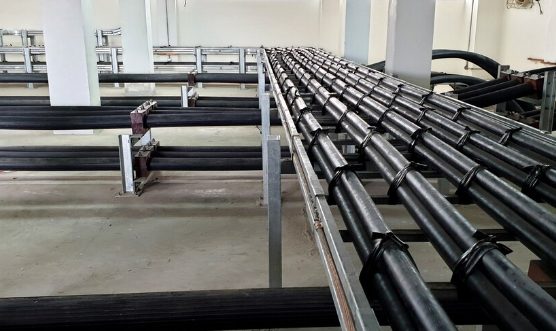
When it comes to keeping your building or facility in top shape, one area that often gets overlooked is pipe insulation. Industrial pipe insulation is essential for many businesses, particularly in industries like construction, oil and gas, and manufacturing. This service helps maintain the safety, energy efficiency, and longevity of your pipes. In this article, we’ll explain why industrial pipe insulation is so important, how it works, and what benefits it offers.
What Is Industrial Pipe Insulation?
Industrial pipe insulation is the process of covering pipes with materials that help control temperature, reduce energy loss, and protect workers. These materials, such as foam, fiberglass, or mineral wool, act as a barrier to prevent heat from escaping or entering the pipes. This is especially important for industries where pipes carry hot or cold fluids, as insulation helps keep the right temperatures in place.
There are several types of pipe insulation materials, each designed for different needs. Some materials are best for high-temperature pipes, while others work better for cold pipes. The goal of insulation is to keep the energy inside the pipes and prevent energy from being wasted.
Why Do You Need Industrial Pipe Insulation?
There are many reasons why industrial pipe insulation is a smart choice for businesses. Here are some of the top benefits:
Energy Efficiency
Insulating pipes helps keep energy loss to a minimum. When pipes are insulated, heat or cold is kept inside, reducing the need to use extra energy to maintain temperature. For example, if you have hot water pipes running through your building, insulation will keep the water hot for longer periods. This can lower your energy bills and make your facility more energy-efficient.
Preventing Damage
Pipes that aren’t insulated are more likely to freeze or suffer from condensation. This is a major concern in industries like oil and gas or manufacturing, where pipes often carry materials at extreme temperatures. Freezing pipes can burst, causing costly damage to your facility. Insulation helps prevent this by maintaining the pipes’ temperature, even in cold environments.
Improved Safety
Uninsulated pipes, especially those that carry hot water or steam, can be dangerous to workers. Insulating these pipes helps prevent burns and accidents. It also ensures that workers don’t come into contact with potentially hazardous surfaces. Industrial pipe insulation helps create a safer work environment, reducing the risk of injuries.
Noise Reduction
In some industries, pipes can make a lot of noise, especially when fluids flow through them. Industrial pipe insulation helps dampen the noise, making the workplace quieter. This is particularly helpful in factories or facilities where loud noises can be distracting or harmful to workers’ hearing.
Types of Pipe Insulation Materials
There are several different materials used for industrial pipe insulation, each offering unique benefits. The choice of material depends on the specific needs of the facility and the types of pipes being insulated.
Fiberglass Insulation
Fiberglass is one of the most common materials used for pipe insulation. It’s lightweight, fire-resistant, and offers excellent thermal insulation. Fiberglass insulation is often used for hot and cold water pipes because it helps maintain the desired temperature while being easy to install.
Foam Insulation
Foam pipe insulation is made from closed-cell foam, which creates a moisture barrier. This makes it a good option for pipes that carry cold water or other fluids that could cause condensation. Foam insulation is easy to install and can be used in a variety of industries, from food processing to oil and gas.
Mineral Wool Insulation
Mineral wool, also known as rock wool, is made from natural minerals and offers excellent heat resistance. It’s often used for high-temperature pipes, such as those in power plants or manufacturing facilities. Mineral wool is fire-resistant, making it a safe choice for industries that deal with extreme temperatures.
How Do Industrial Pipe Insulation Services Work?
Industrial pipe insulation services are typically provided by experienced contractors who specialize in installing and maintaining pipe insulation systems. These services usually include:
Assessment and Consultation
A professional will assess your facility and the pipes that need insulation. They’ll consider factors like the type of pipes, the temperatures they need to maintain, and any safety concerns. After this assessment, they’ll recommend the best insulation materials for your needs.
Installation
Once the materials are selected, the contractor will install the insulation on the pipes. This process is typically quick and efficient, especially if the pipes are easily accessible. The goal is to create a tight, secure layer of insulation that will stay in place for years.
Maintenance and Inspection
After installation, it’s important to regularly check the insulation to make sure it’s in good condition. Over time, insulation can degrade due to wear and tear or exposure to extreme conditions. A professional service will help maintain the insulation and make any necessary repairs.
Conclusion: Why Choose Industrial Pipe Insulation Services?
In summary, industrial pipe insulation is crucial for businesses looking to reduce energy costs, prevent damage, improve safety, and create a more efficient work environment. Whether you’re running a large industrial facility or a smaller business, investing in pipe insulation can save you money and prevent costly problems down the road.
If you’re in Alberta and are considering industrial pipe insulation services, look for a trusted provider with experience in your industry. At G & R Insulating, they offer high-quality insulation services that can help protect your facility, reduce energy costs, and keep your workers safe.
Contact us today to learn more about how industrial pipe insulation can benefit your business!


