Renovation Waste Removal: Strategies for Efficient and Responsible Disposal
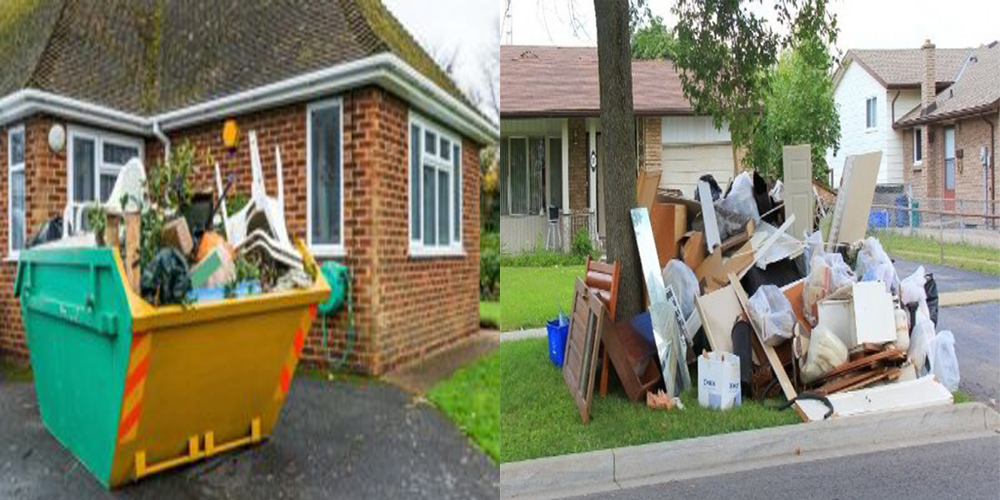
Renovating a home or commercial space is an exciting endeavor that can significantly improve aesthetics, functionality, and property value. However, along with the benefits of renovation comes the challenge of managing and disposing of construction and demolition waste. Renovation waste includes materials such as debris, old fixtures, appliances, and construction materials, which require careful handling and disposal to minimize environmental impact and comply with local regulations. This article explores the complexities of renovation waste removal, best practices for waste management, recycling options, disposal methods, and considerations for choosing professional services.
Understanding Renovation Waste Removal
Renovation waste removal refers to the process of collecting, transporting, and disposing of waste generated during renovation or remodeling projects. Whether renovating a kitchen, bathroom, office space, or entire property, managing renovation waste effectively is essential for maintaining cleanliness, safety, and environmental responsibility.
Types of Renovation Waste
Renovation projects generate various types of waste, including:
- Construction Debris: Broken tiles, drywall, concrete, bricks, and wood.
- Old Fixtures and Appliances: Cabinets, countertops, sinks, toilets, bathtubs, and appliances.
- Packaging Materials: Cardboard boxes, plastic wrap, and foam packaging.
- Hazardous Materials: Paints, solvents, adhesives, and asbestos-containing materials (if present in older buildings).
Importance of Proper Renovation Waste Removal
Environmental Impact
Improper disposal of renovation waste can lead to environmental pollution, soil contamination, and habitat destruction. Responsible waste management practices minimize environmental impact by promoting recycling, reuse, and proper disposal of hazardous materials.
Compliance with Regulations
Local regulations govern the disposal of construction and demolition waste, including requirements for waste sorting, recycling, and disposal methods. Compliance with these regulations is crucial to avoid fines, penalties, and legal liabilities.
Safety and Cleanliness
Effective renovation waste removal ensures a safe and clean worksite for contractors, workers, and occupants. Removing debris promptly reduces tripping hazards and prevents potential injuries associated with construction waste.
Best Practices for Renovation Waste Removal
Plan Ahead
Effective planning is essential for managing renovation waste efficiently. Consider the following strategies:
- Waste Assessment: Conduct a waste audit to identify types and quantities of materials that will be generated during the renovation.
- Waste Management Plan: Develop a comprehensive waste management plan outlining waste handling procedures, recycling goals, and disposal methods.
Separate and Sort Waste
Segregate renovation waste into categories to facilitate recycling and proper disposal. Common categories include:
- Recyclables: Clean wood, metals, cardboard, and plastics.
- Non-Recyclables: Mixed construction debris, contaminated materials, and non-recyclable plastics.
- Hazardous Materials: Paints, solvents, asbestos-containing materials (if applicable), and other hazardous substances.
Recycle Materials
Maximize recycling opportunities by sorting and recycling materials such as:
- Metal: Steel, aluminum, and copper can be recycled at local scrap metal yards.
- Wood: Clean wood can be chipped for mulch or recycled into composite wood products.
- Concrete and Masonry: Crushed concrete can be reused as aggregate or for road base.
Dispose of Hazardous Materials Safely
Handle and dispose of hazardous materials, such as paints, solvents, and asbestos-containing materials, according to local regulations and guidelines:
- Asbestos Removal: Hire licensed asbestos removal contractors to safely remove and dispose of asbestos-containing materials.
- Chemical Waste: Dispose of paints, solvents, and other chemicals at designated hazardous waste collection facilities.
Rent a Dumpster or Bin
Renting a dumpster or waste bin simplifies waste disposal and allows for centralized collection of renovation debris:
- Size Consideration: Choose a dumpster size based on the volume and types of waste generated during the renovation.
- Placement: Position dumpsters in a convenient location to facilitate loading and minimize disruption to neighboring properties.
Recycling Options for Renovation Waste
Construction and Demolition Recycling Facilities
Many communities have construction and demolition (C&D) recycling facilities that accept and process renovation waste for recycling:
- Accepted Materials: Check with local C&D recycling facilities for accepted materials, sorting requirements, and drop-off procedures.
- Recycling Rates: Some facilities offer recycling rates for specific materials, such as concrete, asphalt, and metals.
Reuse and Salvage
Explore opportunities to salvage reusable materials and fixtures from renovation projects:
- Donation: Donate gently used fixtures, appliances, and building materials to nonprofit organizations or salvage yards.
- Reuse: Repurpose salvaged materials in future renovation projects or donate them to community projects.
Deconstruction Services
Consider hiring deconstruction services for selective demolition and salvage of reusable materials:
- Selective Demolition: Deconstruction contractors carefully dismantle structures to salvage reusable materials, such as lumber, doors, and fixtures.
- Environmental Benefits: Deconstruction reduces waste generation and minimizes environmental impact compared to traditional demolition methods.
Disposal Methods for Renovation Waste
Landfill Disposal
Dispose of non-recyclable and non-hazardous renovation waste at local landfill facilities:
- Landfill Regulations: Follow landfill regulations for waste acceptance criteria, tipping fees, and operating hours.
- Landfill Diversion: Minimize landfill disposal by maximizing recycling and reuse of renovation materials.
Waste-to-Energy Technologies
Explore waste-to-energy (WtE) technologies that convert non-recyclable waste into heat, electricity, or fuel:
- Energy Recovery: WtE facilities use thermal or biological processes to generate renewable energy from organic waste and biomass.
- Environmental Considerations: Evaluate environmental impacts and regulatory requirements associated with WtE technologies.
Choosing Professional Renovation Waste Removal Services
Research Service Providers
Select reputable waste removal companies with experience in handling renovation waste:
- Credentials: Verify licenses, certifications, and insurance coverage of waste removal providers.
- References: Request references and client testimonials to assess service quality and customer satisfaction.
Evaluate Service Options
Compare service options based on pricing, waste disposal methods, recycling capabilities, and customer service:
- Service Offerings: Choose providers that offer comprehensive waste management solutions, including recycling and hazardous waste disposal.
- Customization: Tailor services to meet specific project requirements and scheduling preferences.
Contract Terms and Conditions
Review contract terms and conditions, including service agreements, pricing structures, and cancellation policies:
- Service Agreements: Ensure clear communication of service expectations, waste handling procedures, and project timelines.
- Cost Transparency: Obtain written estimates and confirm pricing details to avoid unexpected charges or disputes.
Case Studies: Examples of Effective Renovation Waste Management
Sustainable Office Renovation
A technology company in Silicon Valley renovated its corporate office using sustainable building materials and practices. The renovation project included recycling of construction debris, installation of energy-efficient fixtures, and donation of office furniture to local nonprofit organizations. By prioritizing sustainability, the company reduced renovation waste removal, minimized environmental impact, and enhanced workplace efficiency and comfort for employees.
Historic Building Restoration
A preservation organization restored a historic building in downtown Boston using careful deconstruction and salvage techniques. The restoration project involved selective demolition to preserve original architectural features and salvage reusable materials, such as wood beams, doors, and decorative elements. By incorporating sustainable practices, the organization maintained historical integrity, minimized waste generation, and received recognition for preserving cultural heritage.
Conclusion
Renovation waste removal is a critical aspect of responsible construction and remodeling projects, requiring careful planning, efficient waste management practices, and compliance with environmental regulations. By implementing best practices such as waste segregation, recycling, and proper disposal of hazardous materials, businesses and homeowners can minimize environmental impact, reduce landfill waste, and contribute to sustainability goals. Choosing professional renovation waste removal services ensures safe and efficient handling of construction debris, enhances project efficiency, and supports environmental stewardship. As the demand for sustainable building practices grows, adopting effective renovation waste management strategies is essential for creating healthier, more resilient communities and preserving natural resources for future generations.