
Navigating Risk: Essential Hazardous Area Training Protocols
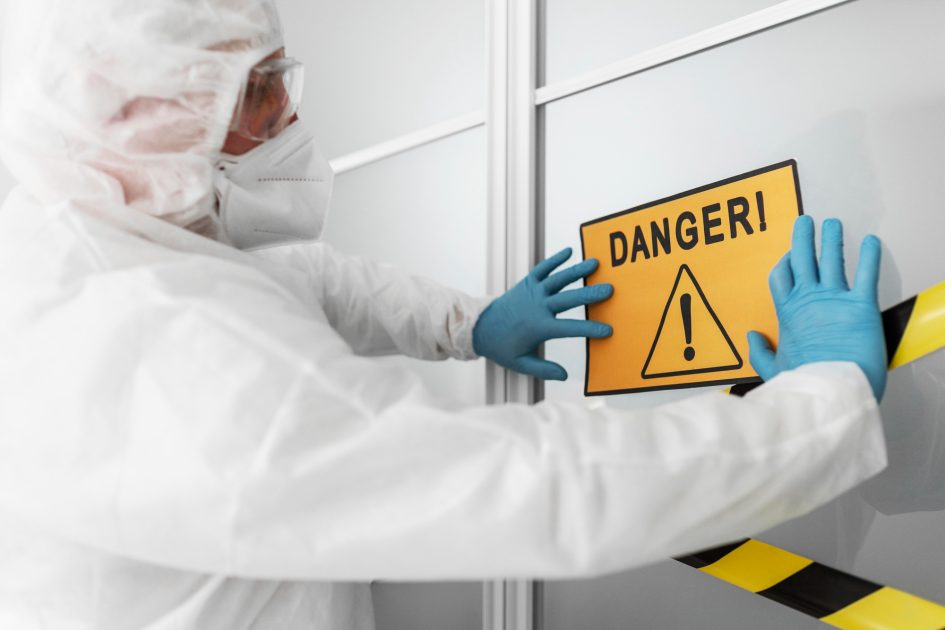
Australia’s industrial landscape is marked by diverse sectors, including mining, oil and gas, manufacturing, and agriculture, all of which harbor hazardous areas where the potential for accidents is heightened. In these environments, ensuring the safety of personnel and assets is paramount, and Hazardous Area Training Australia plays a pivotal role in achieving this goal.
Understanding Hazardous Area Regulations
In Australia, hazardous area management is governed by stringent regulations to protect workers and the environment. Key regulatory bodies include Safe Work Australia, responsible for developing national policy on work health and safety, and state-specific agencies such as Safe WorkVictoria and SafeWork NSW, which enforce regulations within their jurisdictions.
The Australian Standard AS/NZS 60079 series outlines the requirements for the classification, design, installation, and maintenance of equipment in hazardous areas. Compliance with these standards is mandatory for organizations operating in hazardous environments, making comprehensive training essential for personnel involved in these sectors.
What is Hazardous Area Training?
Hazardous area training refers to educational programs and protocols designed to provide personnel with the knowledge, skills, and awareness necessary to work safely in environments where the potential for fire, explosion, or other dangerous incidents is heightened due to the presence of flammable gases, vapors, liquids, combustible dust, or ignitable fibers.
The training typically covers various aspects related to hazardous areas, including:
- Identifying Hazardous Materials: Effective hazardous area training begins with identifying the specific risks present in a given environment, including the properties of the materials handled, potential ignition sources, and conditions that could lead to hazardous situations.Whether it’s the potential for flammable gases in a chemical processing plant or combustible dust in a grain storage facility, personnel must understand the hazards they face and how to mitigate them.
- Mitigating Risks: Risk mitigation strategies may include implementing engineering controls such as explosion-proof equipment, administrative controls like permit-to-work systems, and providing appropriate personal protective equipment (PPE). Hazardous area training equips workers with the knowledge and skills to utilize these controls effectively, reducing the likelihood of accidents and injuries.
- Safety Measures: Learning how to implement engineering controls, administrative controls, and personal protective equipment (PPE) to minimize the likelihood of incidents occurring. This may include using explosion-proof equipment, implementing permit-to-work systems, and wearing appropriate PPE such as flame-resistant clothing and gas detectors.
- Emergency Response Preparedness: This involves familiarizing personnel with emergency shutdown procedures, evacuation plans, and proper response protocols to mitigate the consequences of emergencies.Regular drills and simulations are essential for maintaining readiness, allowing personnel to test their response procedures and identify areas for improvement.
- Regulatory Compliance: Compliance with Australian hazardous area regulations is non-negotiable, and failure to meet these standards can result in severe penalties for organizations. Hazardous area training plays a crucial role in ensuring compliance by educating personnel on their legal obligations and providing them with the knowledge and skills to meet regulatory requirements.
- Continuous Improvement: Recognizing that hazardous area training is an ongoing process that requires regular review and adaptation to changing risks and technologies. This may involve conducting regular refresher courses, updating training materials to reflect regulatory changes, and incorporating lessons learned from incidents to improve training programs.
Personnel that needs Hazardous Area Training
Hazardous area training is essential for anyone who works in or around environments where the potential for fire, explosion, or other dangerous incidents is heightened due to the presence of flammable gases, vapors, liquids, combustible dust, or ignitable fibers. This includes, but is not limited to, the following individuals:
- Workers: Personnel directly involved in operations within hazardous areas, such as technicians, engineers, operators, and maintenance staff, should undergo hazardous area training. This training equips them with the knowledge and skills necessary to identify, assess, and mitigate risks in their daily work.
- Supervisors and Managers: Supervisors and managers responsible for overseeing operations in hazardous environments should also receive hazardous area training. Understanding safety protocols, regulatory requirements, and emergency response procedures enables them to effectively lead their teams and ensure compliance with safety standards.
- Safety Professionals: Health and safety professionals play a crucial role in developing and implementing hazardous area safety programs. Comprehensive training equips safety professionals with the expertise to assess risks, develop safety protocols, conduct audits, and provide guidance on best practices for working in hazardous environments.
- Emergency Response Teams: Personnel designated to respond to emergencies, such as fire brigades or hazardous materials (HAZMAT) teams, require specialized hazardous area training. This training prepares them to respond quickly and effectively to incidents such as fires, explosions, chemical spills, or gas leaks, minimizing the impact on personnel and property.
- Maintenance Personnel: Maintenance workers responsible for servicing equipment or conducting repairs in hazardous areas must be trained to work safely in these environments. Hazardous area training ensures that maintenance personnel understand the risks associated with their tasks and can implement appropriate safety measures to prevent accidents.
By ensuring that all personnel are adequately trained to work safely in hazardous environments, organizations can minimize the risk of accidents, protect personnel and assets, and maintain regulatory compliance.
The Role of Technology in Training
Advancements in technology have revolutionized hazardous area training in Australia, making it more engaging, interactive, and accessible. Virtual reality (VR) simulations allow workers to experience hazardous situations in a safe and controlled environment, providing valuable hands-on training without exposing them to real risks.
Online training platforms also enable organizations to deliver training modules remotely, making it more convenient for workers to access training materials and complete courses at their own pace. These technological innovations enhance the effectiveness of hazardous area training programs, ensuring workers are well-prepared to navigate the risks they face in their daily work.
Therefore, hazardous areas are a reality across various industries in Australia, posing significant risks to workers and assets. Effective hazardous area training is essential for equipping personnel with the knowledge, skills, and awareness necessary to mitigate these risks and ensure their safety. By understanding regulatory requirements, identifying and mitigating risks, preparing for emergencies, and embracing technological innovations, organizations can create safer workplaces and protect the well-being of their workforce.


