
Crypto and Art: Exploring the Intersection of Digital Assets and Creativity
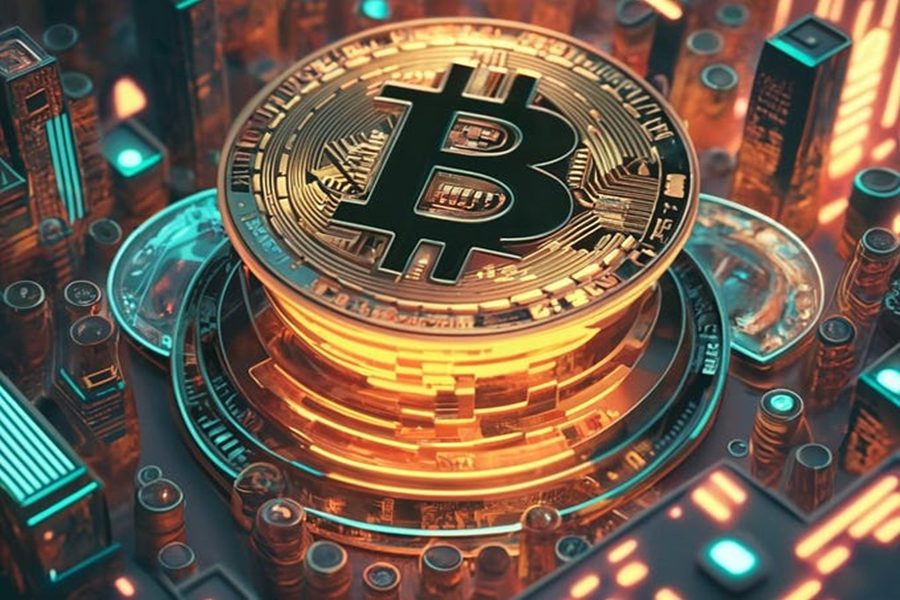
In recent years, the world of cryptocurrencies has captured the attention of both investors and technology enthusiasts. The rise of Bitcoin and other digital currencies has not only transformed the financial landscape but has also paved the way for new opportunities in various industries. One such industry that has embraced the potential of cryptocurrencies is the art world. Leveraging the power of blockchain technology, artists and collectors are exploring the intersection of digital assets and creativity, revolutionizing the way we perceive, create, and trade art.
The Emergence of Digital Art
The advent of cryptocurrencies has given birth to a new form of artistic expression known as digital art. Leveraging the capabilities of blockchain technology, artists can create unique, verifiable, and scarce digital assets. These digital assets, often referred to as non-fungible tokens (NFTs), provide a sense of ownership and provenance that was previously difficult to establish in the digital realm. By utilizing blockchain, artists can now sell and trade their digital creations directly, eliminating the need for intermediaries and ensuring that their work is not easily replicated or counterfeited.
The NFT Craze
In recent months, the world has witnessed a surge in interest and investment in NFTs. From digital artworks to virtual real estate, NFTs have become a hot topic in the art world. Leveraging blockchain technology, NFTs allow artists to tokenize their work and sell it as a unique digital asset. Buyers, in turn, acquire a digital certificate of ownership that is immutably recorded on the blockchain. This newfound ability to establish ownership and scarcity has opened up a world of possibilities for artists and collectors alike.
Leverage Trading Crypto and the Art Market
The intersection of leverage trading crypto and the art market has introduced new dynamics to the industry. With the ability to leverage their crypto holdings, investors can now participate in the art market without needing a significant amount of upfront capital. Leveraging trading platforms, individuals can multiply their buying power and potentially amplify their returns. This has attracted a new wave of investors and speculators to the art market, driving up prices and creating a sense of frenzy around certain artists and artworks.
Critics of this trend argue that leverage trading crypto in the art market has led to speculative bubbles and inflated prices. They claim that the true value of an artwork should be determined by its artistic merit and cultural significance, rather than its perceived financial value. While it is true that leverage trading can create market distortions, it is important to recognize that it also provides liquidity and accessibility to a wider range of investors. Furthermore, the increased interest in NFTs has opened up new revenue streams for artists, allowing them to monetize their work in a more direct and efficient manner.
The Democratization of Art
One of the most significant impacts of leveraging trading crypto in the art world is the democratization of art. Traditionally, art has been an exclusive realm, with high barriers to entry for both artists and collectors. However, the advent of NFTs and leverage trading has lowered these barriers, allowing artists from all walks of life to showcase and sell their work to a global audience. Similarly, collectors no longer need to be part of elite circles to acquire art; they can now participate in the market with just a few clicks.
The Future of Crypto and Art
As cryptocurrencies continue to gain mainstream acceptance, the future of crypto and art looks promising. The ability to tokenize artwork and establish verifiable ownership has the potential to revolutionize the art industry, making it more accessible, transparent, and efficient. Furthermore, leveraging trading crypto allows investors to diversify their portfolios and potentially generate higher returns. However, as with any emerging market, caution and due diligence are necessary to navigate the risks associated with leverage trading and speculative investments.
Conclusion
The intersection of leverage trading crypto and the art world has ushered in a new era of creativity and investment opportunities. By leveraging the power of blockchain technology, artists can tokenize their work and establish verifiable ownership, while investors can participate in the art market with greater liquidity and potential returns. While there are risks associated with leverage trading and speculative investments, the democratization of art and the potential for artists to monetize their work in a more direct manner cannot be overlooked. As the crypto and art industries continue to evolve, it is essential for all stakeholders to embrace innovation responsibly and ensure the longevity and sustainability of this exciting intersection.


