
Clearing Blocked Drains: Essential Steps for Effective Drain Cleaning
Clearing Blocked Drains: Essential Steps for Effective Drain Cleaning
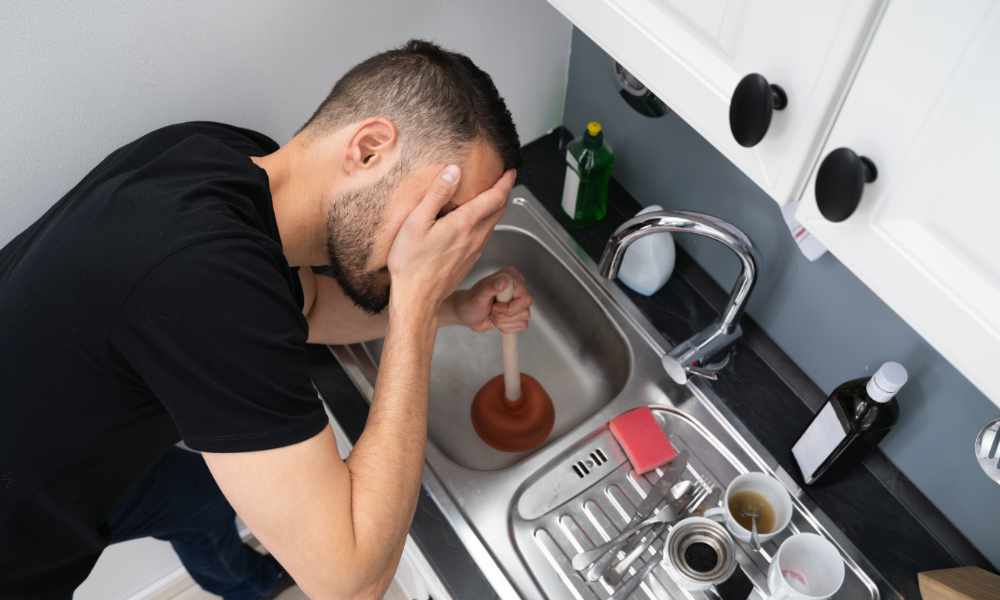
Blocked drains can be a homeowner’s nightmare, leading to unpleasant odors, slow drainage, and potential water damage if left unattended. Understanding the essential steps for effective drain cleaning is crucial for maintaining a healthy plumbing system and preventing costly repairs. In this comprehensive guide, we’ll explore the importance of clearing blocked drains, how to identify them, essential tools for drain cleaning, DIY methods, preventative maintenance tips, and more.
I. Introduction
Afvoer Ontstoppen, Blocked drains are a common household issue that can disrupt daily activities and pose health risks. Whether it’s a clogged sink, bathtub, or toilet, ignoring the problem can lead to more significant plumbing issues down the line. Understanding the importance of maintaining clear drains is the first step in preventing blockages. Common causes include hair, grease, soap scum, food particles, and foreign objects flushed down toilets.
II. Identifying Blocked Drains
Recognizing the signs of a blocked drain is essential for prompt action. Slow drainage, gurgling noises, foul odors emanating from drains, and water backup are all indicators of a potential blockage. Once you suspect a blocked drain, locating the source of the problem is crucial for effective cleaning.
III. Essential Tools for Drain Cleaning
Having the right tools can make all the difference when it comes to clearing blocked drains. Plungers are a handy tool for dislodging minor blockages in sinks and toilets. Drain snakes, also known as augers, are effective for removing deeper clogs that plungers can’t reach. Chemical cleaners can be used cautiously but should be avoided if possible due to their harsh nature and potential damage to pipes.
IV. DIY Methods for Clearing Blocked Drains
Using a Plunger Effectively
To use a plunger effectively, ensure a tight seal around the drain opening and plunge vigorously in an up-and-down motion. Repeat several times until the blockage clears and water drains freely.
Snaking the Drain
For more stubborn blockages, a drain snake can be inserted into the drain and rotated to break up or retrieve the clog. Follow manufacturer instructions carefully to avoid damaging the pipes.
Safely Using Chemical Cleaners
If opting for chemical cleaners, choose products specifically formulated for the type of blockage and follow the instructions precisely. Wear gloves and eye protection, and ensure adequate ventilation when using these products.
V. Preventative Maintenance Tips
Preventing blocked drains is preferable to dealing with them after the fact. Establishing a regular cleaning schedule for drains, disposing of grease and food scraps properly, and avoiding flushing non-biodegradable items down toilets are simple yet effective preventative measures. Additionally, scheduling periodic professional inspections can catch potential issues before they escalate.
In conclusion, clearing blocked drains requires a combination of identification, proper tools, and maintenance practices. By staying vigilant, using the right techniques, and implementing preventative measures, homeowners can keep their drains flowing smoothly and avoid costly


