
Choosing Between Diy and Professional Electrician Services: A Guide To Making The Right Call
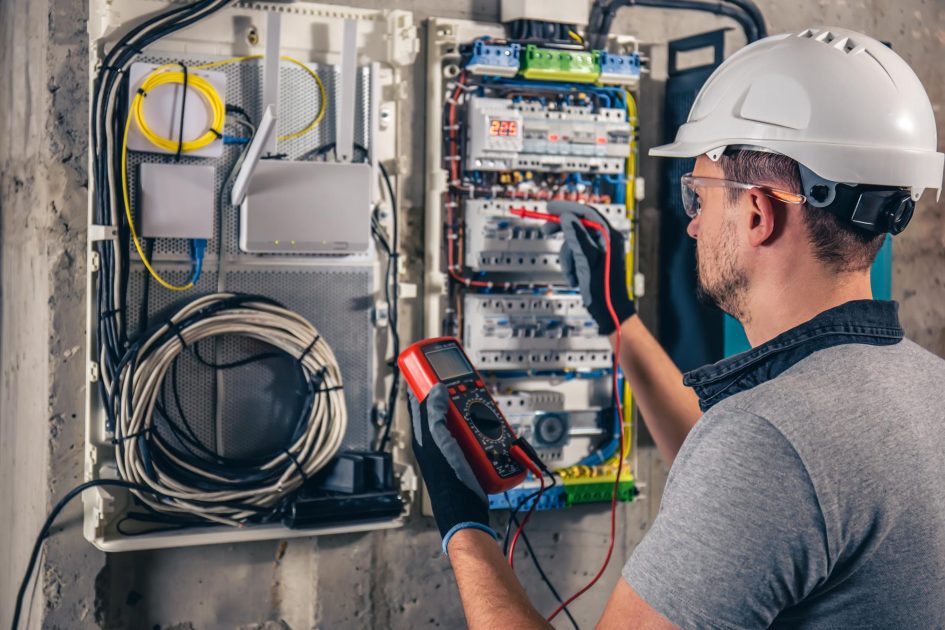
Electricity is a cornerstone of modern living, powering our homes, businesses, and technology. Yet, when it comes to electrical tasks, the line between DIY and professional assistance can be blurry. In Australia, regulations govern electrical work, underscoring the importance of knowing when to enlist a professional electrician’s help.
The gravity of Electrician Brisbane work cannot be overstated. It carries inherent risks, where even minor errors can result in property damage or jeopardize the safety of you and your loved ones. Understanding these risks is paramount in discerning the need for professional intervention.
Knowing When to DIY and When to Call a Professional Electrician
Knowing when to tackle electrical tasks yourself and when to engage a professional electrician hinges on several factors:
- Complexity of the Task: Simple tasks like changing a light bulb or replacing a socket cover are generally safe for DIY. However, more complex tasks such as rewiring circuits or installing new outlets require professional expertise.
- Safety Risks: Assess the potential hazards associated with the task. If it involves working with live wires, circuits, or electrical panels, it’s best to leave it to a trained electrician to avoid the risk of electrical shocks, fires, or other accidents.
- Legal Requirements: In many regions, including Australia, laws and regulations govern electrical work. Certain tasks may require permits or must be performed by a licensed electrician to comply with safety standards and regulations.
- Your Skill Level: Be honest about your level of expertise and experience with electrical work. If you’re unsure about how to safely complete a task or lack the necessary skills and knowledge, it’s safer to hire a professional.
- Cost: While DIY projects may seem cost-effective initially, mistakes can be costly to rectify. Hiring a professional electrician may involve upfront costs but can ultimately save money by preventing damage or future problems.
- Warranty and Insurance: Professional electricians typically offer warranties on their work, providing added peace of mind. Additionally, they carry insurance, protecting you and your property in case of accidents or damage during the job.
DIY electrical work is suitable for simple tasks and minor repairs if you have the necessary skills and knowledge. However, for complex projects, tasks with inherent safety risks, or those requiring compliance with regulations, it’s prudent to hire a qualified electrician to ensure safety, compliance, and peace of mind.
Reasons why you need to hire a professional electrician
Hiring a professional electrician is crucial for ensuring the safety, efficiency, and reliability of electrical work in your home or business. Here are some compelling reasons why you should always opt for a professional electrician:
- Safety: Electrical work can be dangerous and often requires specialized knowledge and training to be performed safely. A professional electrician is trained to deal with the risks involved in working with electricity, reducing the risk of injury or damage to property.
- Experience: Professional electricians are experienced in working on a variety of electrical systems, from installing new systems to repairing existing ones. They have the tools and knowledge to diagnose and fix problems quickly and efficiently.
- Code Compliance: Electricians are familiar with local and national safety codes and regulations that need to be followed when installing or repairing electrical systems. They ensure that all work is done according to the relevant codes, reducing the risk of safety violations or fines.
- Up-to-Date Knowledge: Regulations and technology in the electrical field are constantly changing. Electricians are required to keep up with the latest developments and techniques in their field. This ensures that any work they perform will be up to modern standards and will meet the needs of the client.
- Warranty and Insurance: Professional electricians often provide warranties for their work. This means that if something goes wrong with the electrical system after it has been installed or repaired, the electrician will come back and fix it for free. Electricians are also required to have liability insurance to cover any damage or injury caused by their work.
Factors to consider when hiring a Professional Electrician
Several factors warrant consideration when hiring a professional electrician to ensure you engage a qualified and reliable individual for your electrical needs:
- Licensing and Certification: Verify that the electrician holds the necessary licenses and certifications required by your local jurisdiction. These credentials indicate compliance with industry standards and regulatory requirements.
- Experience and Expertise: Assess the electrician’s experience in handling similar projects. An established track record and expertise in various electrical tasks instill confidence in their capabilities to deliver satisfactory results.
- Reputation and References: Research the electrician’s reputation within the community. Seek referrals from trusted sources or review online testimonials to gauge customer satisfaction and the quality of their workmanship.
- Insurance Coverage: Ensure the electrician carries adequate liability insurance and worker’s compensation coverage. This protects you from liability in case of accidents or property damage during the course of the project.
- Transparent Pricing: Request detailed estimates or quotes outlining the scope of work and associated costs. Avoid ambiguities by clarifying payment terms, potential additional charges, and any warranties offered for the work performed.
- Communication and Professionalism: Evaluate the electrician’s communication skills and professionalism. Clear and prompt communication fosters a positive working relationship and ensures your concerns are addressed effectively.
- Availability and Timeliness: Consider the electrician’s availability and responsiveness to inquiries or service requests. Timely scheduling and adherence to agreed-upon timelines demonstrate reliability and respect for your time.
- Quality of Materials and Equipment: Inquire about the quality of materials and equipment the electrician intends to use for the project. Opting for reputable brands and high-quality components ensures durability and longevity of the electrical installations.
- Commitment to Safety: Assess the electrician’s commitment to safety practices and adherence to industry regulations. A safety-conscious approach minimizes the risk of accidents and ensures compliance with electrical codes.
In the realm of electrical work, prioritizing the assistance of a licensed electrician is paramount. Their comprehensive knowledge and skillset ensure tasks are executed safely and in alignment with industry standards. When it comes to safeguarding both your safety and property, it’s imperative not to compromise – reach out to a licensed electrician without delay.


