
Benefits and Considerations When Using Floor Leveler
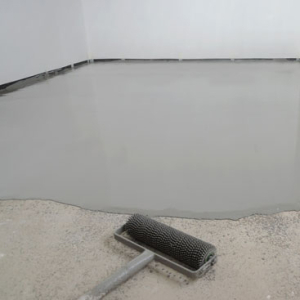
Achieving a flawless flooring surface is essential for aesthetic appeal and functional durability. However, many existing floors may have imperfections such as unevenness, cracks, or dips that can compromise the integrity and appearance of new flooring installations. Floor leveller Queensland, also known as self-leveling compound or self-leveling underlayment, is a versatile solution designed to address these issues and create a smooth, level surface for a variety of flooring materials.
Benefits of Using Floor Leveler
Surface Preparation. Surface preparation is a critical step in any flooring project, as it sets the foundation for the successful installation and long-term performance of the new flooring material. Floor leveler provides an efficient solution for preparing subfloors by eliminating imperfections such as low spots, cracks, and unevenness. By creating a smooth and level surface, it enhances the adhesion and stability of the new flooring material.
Versatility. The self-leveling compound is compatible with various flooring materials, including tile, hardwood, laminate, vinyl, and carpet. This versatility streamlines the preparation process, allowing for seamless transitions between different flooring types within a single space. Whether refurbishing a residential kitchen with sleek tiles or revamping a commercial office with plush carpeting, it provides a consistent, level substrate that optimizes the performance and longevity of the chosen flooring material.
Cost-Effective. Using a self-leveling compound can save costs by minimizing the need for extensive subfloor repairs or replacements. It optimizes the surface condition, reducing the likelihood of future flooring issues and associated expenses. Also, the efficiency of the self-leveling underlayment in surface preparation translates into labor savings, as fewer hours are required for substrate preparation compared to traditional methods.
Timesaving. Unlike traditional methods such as mortar bed installations or labor-intensive floor leveling techniques, floor leveler presents a streamlined and efficient solution that significantly reduces both labor time and project duration. Its self-leveling properties eliminate the need for meticulous manual leveling, allowing the compound to naturally settle and distribute evenly across the substrate. This self-leveling capability not only simplifies the application process but also accelerates project timelines by minimizing the need for extensive labor-intensive tasks.
Durable Results. Once cured, the self-leveling underlayment forms a strong and durable surface that can withstand heavy foot traffic and other environmental stresses. It provides a stable foundation for long-lasting flooring installations. This durability is attributed to the robust composition of the compound, typically consisting of cementitious materials and additives engineered to provide strength and resilience. In addition, its ability to distribute weight evenly across the substrate reduces the strain on the underlying structure, further enhancing its durability and longevity.
Things to Consider
While floor leveler offers numerous benefits, there are several considerations to keep in mind:
Substrate Compatibility
Substrate compatibility is a crucial consideration when using a self-leveling compound to prepare a surface for new flooring installation. The substrate refers to the existing floor or base upon which the leveler will be applied. Make sure that the substrate is structurally sound, clean, and free from any contaminants that could affect the adhesion and performance of the leveler.
Different substrates, such as concrete, wood, or existing tile, may have varying properties that can impact the application and performance of the self-leveling compound. For example, concrete substrates must be properly cured and free from curing compounds, sealers, or other surface treatments that could inhibit the bond between the leveler and the substrate.
Similarly, wooden substrates should be dry, stable, and free from rot or decay. Moisture content in wood substrates can affect the curing process of the floor leveler and lead to issues such as warping or delamination. Certain flooring materials may also have specific requirements for substrate preparation and compatibility with the self-leveling underlayment.
Before applying the leveler, consult the manufacturer’s guidelines and specifications to ensure compatibility with the chosen substrate and flooring material. Conducting thorough substrate preparation, including cleaning, priming, and addressing any existing issues such as cracks or unevenness, will help optimize the performance and longevity of the floor leveling system.
Thickness Limitations
Thickness limitations are an important aspect to consider when using self-leveling underlayment to prepare a surface for new flooring installation. This limitation is crucial to ensure proper curing, structural integrity, and long-term performance of the floor leveling system.
Exceeding the recommended thickness can lead to several potential issues, including cracking, shrinking, or improper curing of the leveler. When the layer is too thick, it may not cure evenly or take longer to dry completely, resulting in a weakened surface prone to cracking or delamination. Excessive thickness can also create stress on the substrate and compromise the stability of the flooring system.
Furthermore, thick layers of floor leveler can pose challenges during the installation of subsequent flooring materials such as tile or hardwood. Uneven surfaces caused by overly thick self-leveling compounds may affect the fit and stability of the new flooring, leading to gaps, uneven transitions, or adhesion issues.
To avoid these problems, it is essential to adhere to the manufacturer’s recommendations regarding thickness limitations and application techniques. This may involve applying multiple thinner layers of the leveler, allowing each layer to dry completely before adding additional material.
Moisture Content
Assessing moisture content is crucial when using self-leveling underlayment to prepare a surface for new flooring installation. Excessive moisture in the substrate or surrounding environment can lead to various issues, including delamination, mold growth, and adhesive failure, compromising the integrity and longevity of the flooring system.
High moisture levels in the substrate can negatively impact the curing process of the leveler, resulting in poor adhesion and potential cracking or shrinking as the moisture evaporates. Moisture trapped beneath the underlayment can also create a conducive environment for mold and mildew growth, posing health risks and aesthetic concerns.
Moreover, fluctuations in environmental humidity can affect the moisture content of both the substrate and the floor leveler during and after installation. Changes in moisture levels can cause the leveler to expand or contract, leading to issues such as warping, buckling, or adhesive failure in the flooring materials.
To prevent moisture-related problems, conduct thorough moisture testing of the substrate and monitor environmental conditions throughout the installation process. If high moisture levels are detected, steps should be taken to mitigate moisture before proceeding with floor leveling. This may involve installing moisture barriers, improving ventilation, or addressing drainage issues to prevent moisture infiltration from the surrounding environment.


